




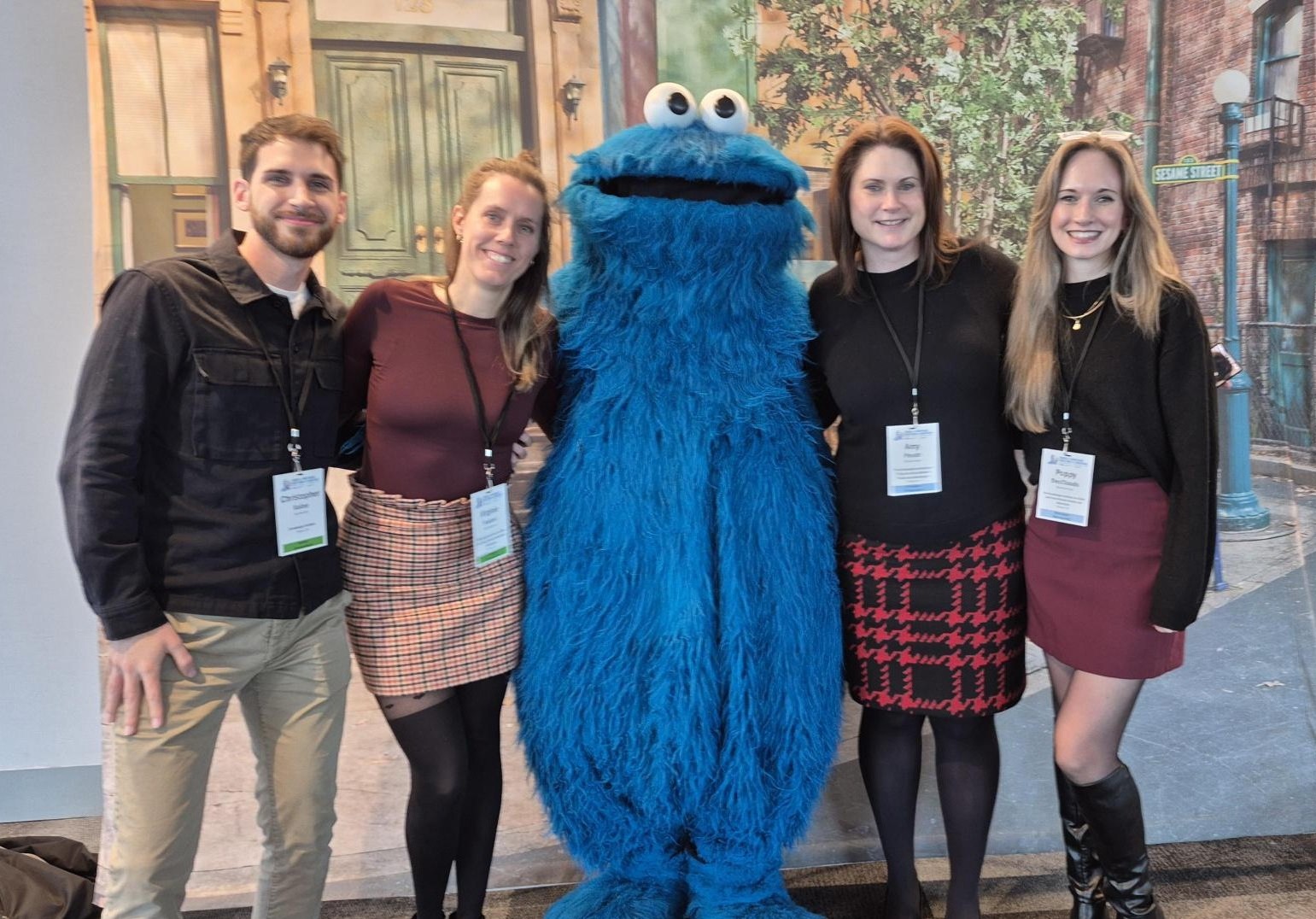
At the Knowledge Institute, we learn by building lasting connections throughout the sector. Over the past month, our team joined sector leaders, researchers, and advocates at three major gatherings: the eMental Health International Collaborative (eMHIC) Congress, the CCSA’s Issue of Substance (IOS) conference, and the Ontario Intensive Treatment Pathway (OITP) symposium.
Though each event focused on different aspects of youth mental health and substance use health, a shared thread connected them all: when we come together with intention, we create space for learning that we can propel us forward. Ideas that others can reshape and apply to their own communities and systems across the province and beyond.
Across conversations, panels, and hallway chats, three deeper insights emerged that will continue shaping our work in the months ahead.
Today’s young people are navigating a digital playground with invisible walls and shifting rules. The risks aren’t just scraped knees anymore — they’re exclusion, harassment, algorithmic bias, and other challenges previous generations didn’t face. Many young people lack the guidance or support to engage safely, creating a growing gap between access to technology and digital literacy.
At this year’s eMHIC Congress, we shared evidence and practical tools to help practitioners, caregivers, and educators strengthen digital resilience, equipping young people to thrive in a rapidly evolving online world. Our Executive Director, Nicholas Watters, put it perfectly:
“Digital resilience is a bit like teaching our kids to swim. They won’t learn by staying out of the water. Instead, you teach them how to float.”
Throughout the week, this metaphor guided conversations about equipping young people with the skills, confidence, and critical thinking to navigate online risks while embracing opportunities. Our report, Young people in the digital era: Understanding risks and promoting well-being, offers practical guidance on this topic.
At the OITP Symposium, one message was clear: lasting system change requires designing services with people, not just for them. Intensive treatment is one of the most fragmented parts of the youth mental health system. Families often face inconsistent eligibility criteria, unclear pathways, and limited coordination between services, leaving them unsure how to access support and disrupting smooth transitions.
The Intensive Treatment Pathway work — alongside the Live-In Treatment and Levels of Care quality standards — helps address these gaps by providing shared, evidence-informed guidance. Developed with providers, families, and young people, these tools define what high-quality care looks like, build flexible and trauma-informed pathways, and support smoother transitions.
The symposium reinforced a critical insight: when young people and families shape the system, it becomes more humane, accessible, and effective.
At CCSA’s Issues of Substance (IOS) conference, we were reminded that evidence alone isn’t enough. Many practitioners still struggle to translate research into practical decisions that support youth and families.
The substance use health sector is becoming more complex, with rising acuity, overlapping mental health concerns, and significant variation in services across the country. The Levels of care quality standard resonates so strongly because it addresses a key gap: the lack of a shared roadmap for determining what type of support a young person needs, when they need it, and how teams can work together.
Unlike traditional program-based approaches, Levels of care matches the intensity of services to a young person’s goals, needs, and readiness — not just their diagnosis, location, or available programs. Poppy, our Manager of Research and Standards, presented on Levels of care and shared our vision for quality standards that don‘t just live on paper, but actively guide agencies in providing relevant, practical, high-quality care.
Kassia, one of our Research Coordinators, shared insights from a study we conducted that explored how community-based child and youth mental health and substance use agencies in Ontario are putting youth and family engagement quality standards into practice.
The conversations at IOS reaffirmed what we already know: no single organization or sector can strengthen youth substance use health alone. Progress happens when practitioners, researchers, policymakers, and people with lived experience learn, listen, and lead together.
As we carry these insights forward, we remain committed to strengthening relationships, advancing evidence, and supporting a system of care that is more connected, equitable, and responsive to the young people and families counting on it.


 Back to Search
 Subscribe