
The conversations we carried home
Reflections from Drs Amy Porath and Kim Corace on what they learned from leaders around the world about integrated care
June 25, 2026
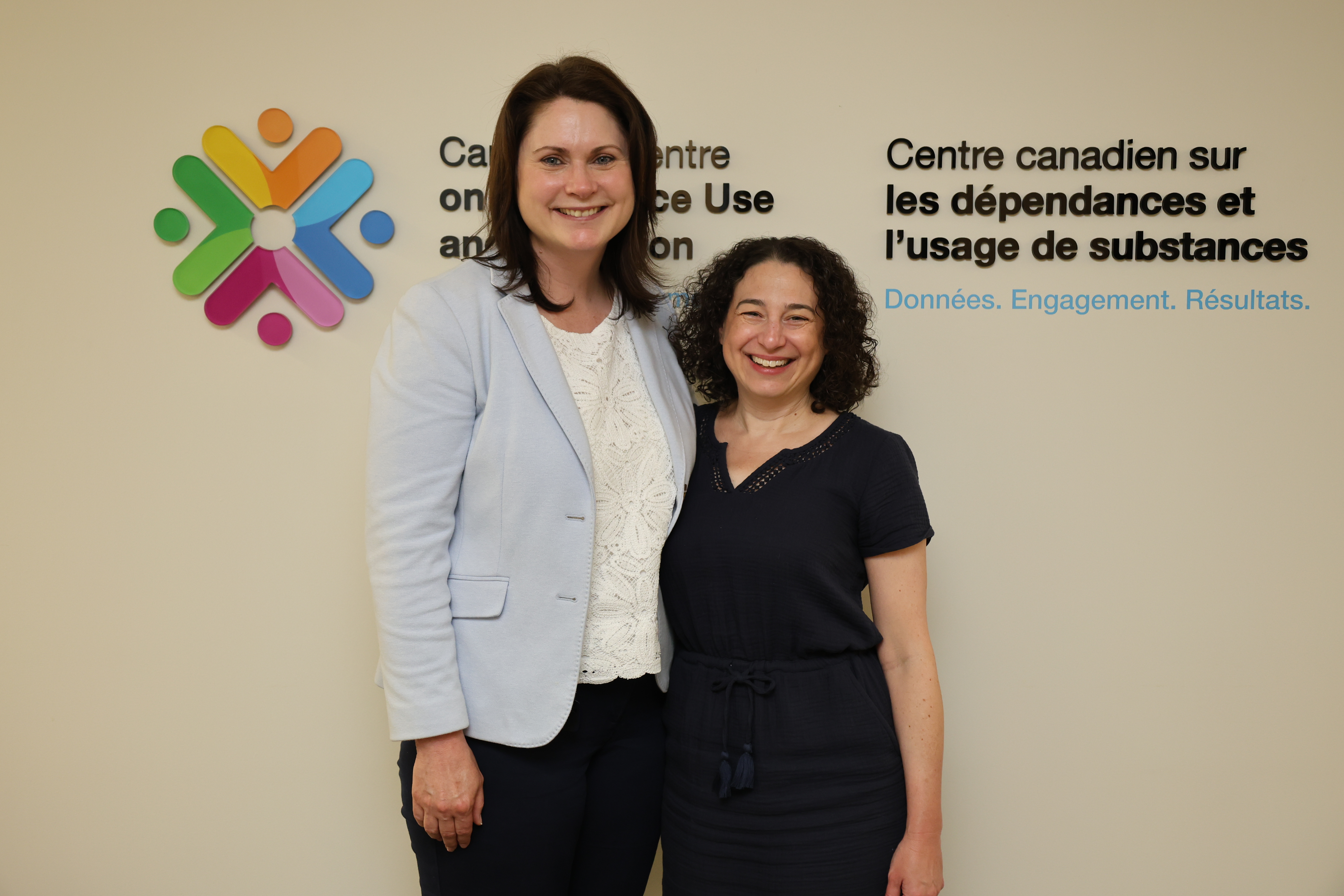
The conversations we carried home
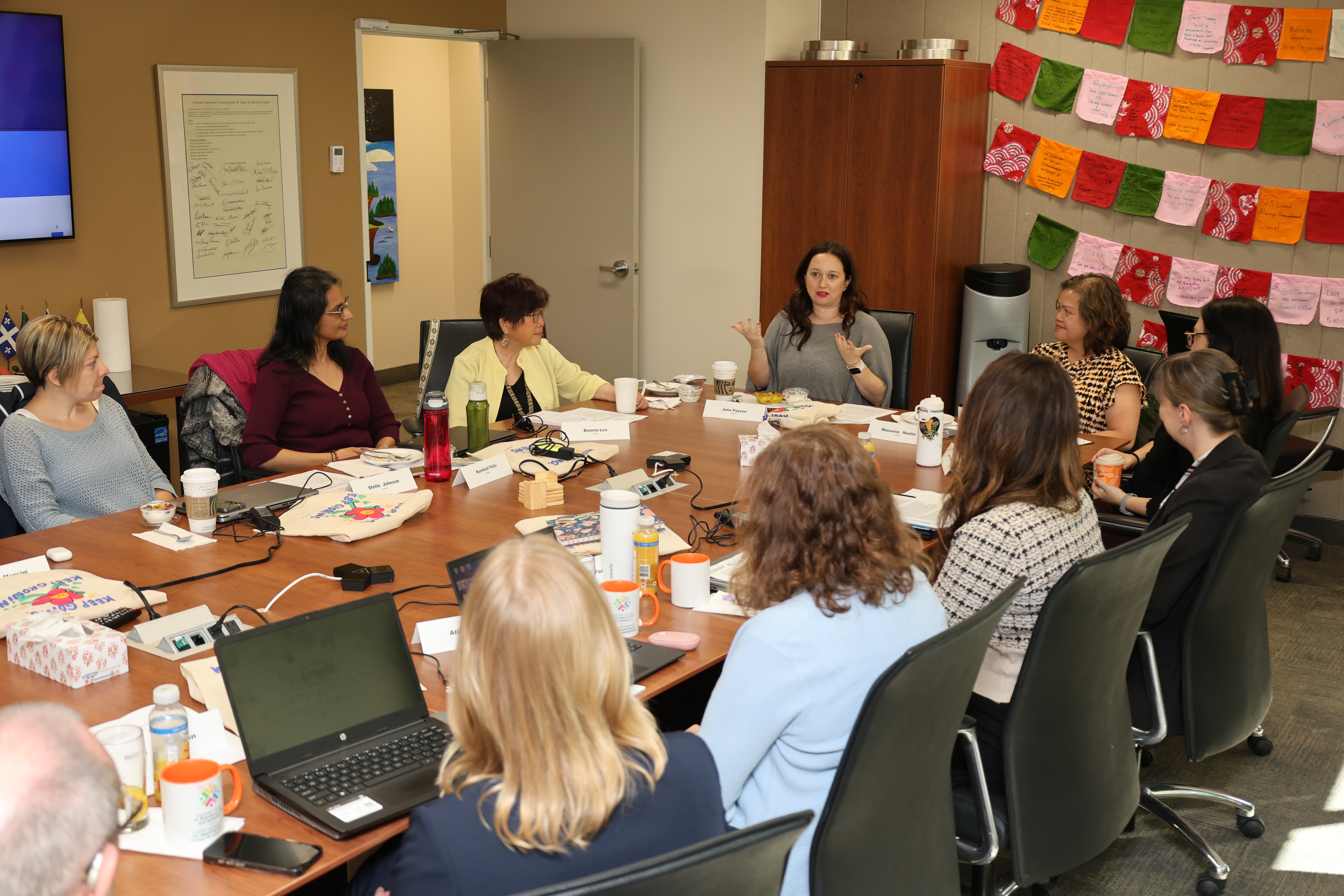
A lot can happen around a table in two days.
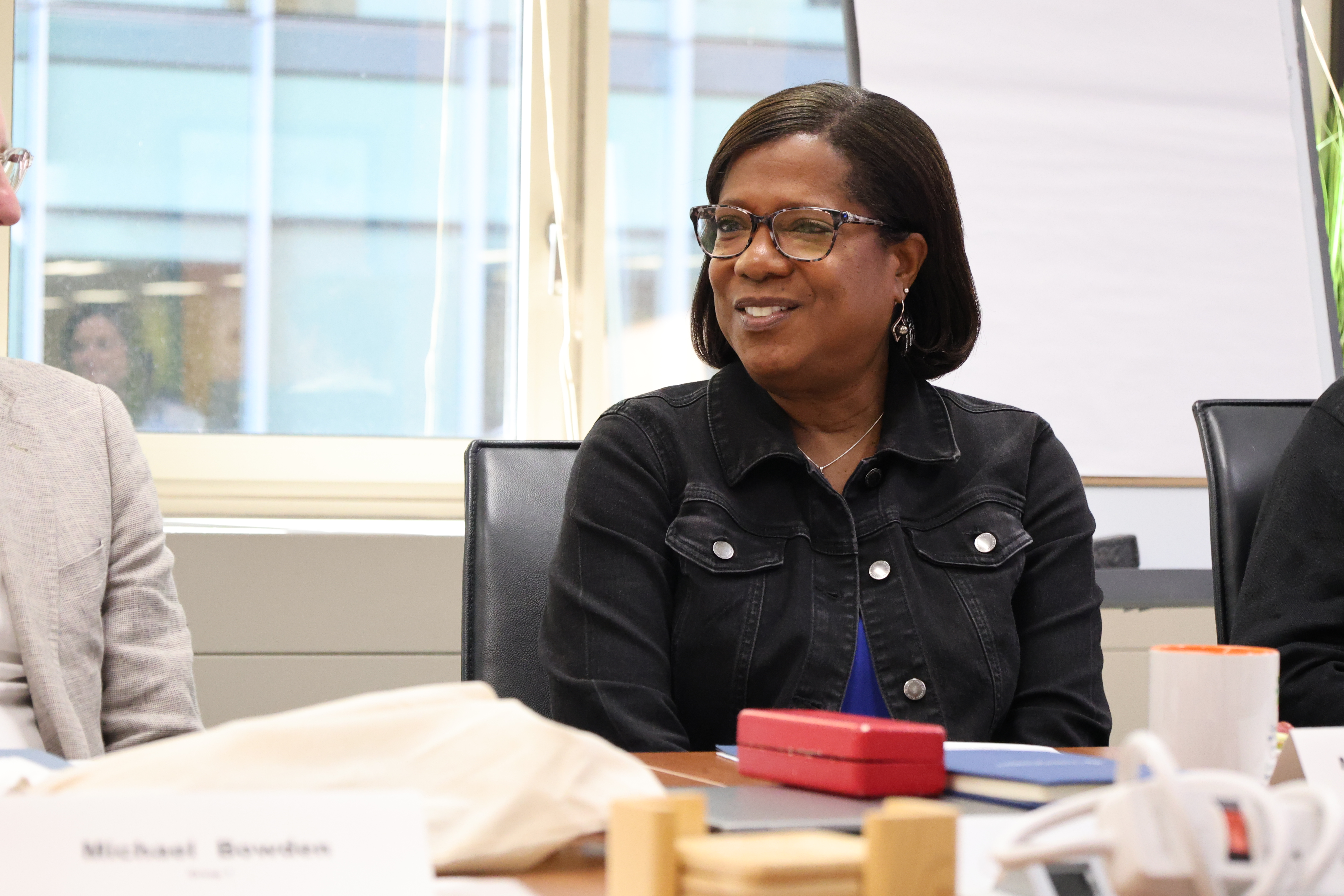
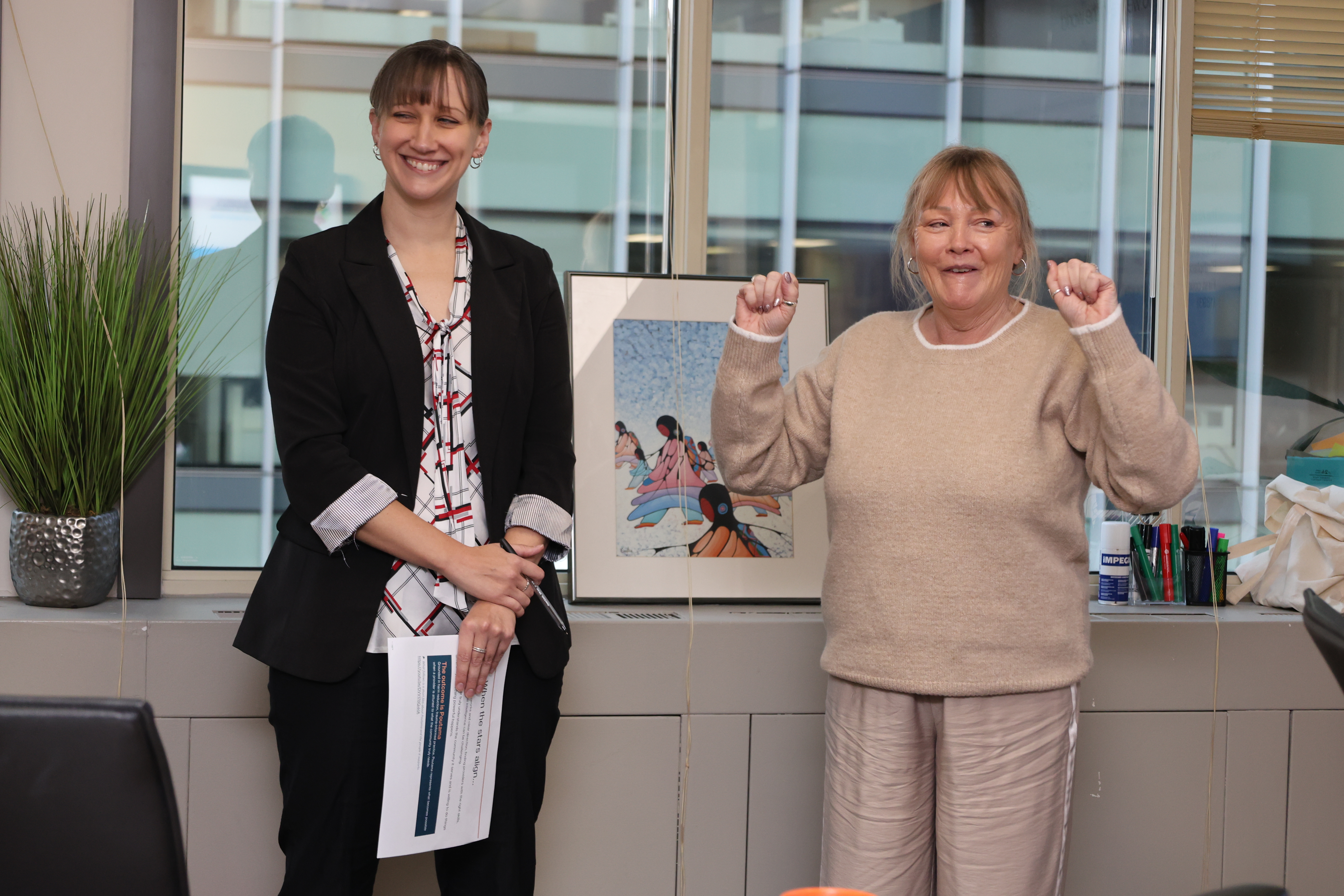
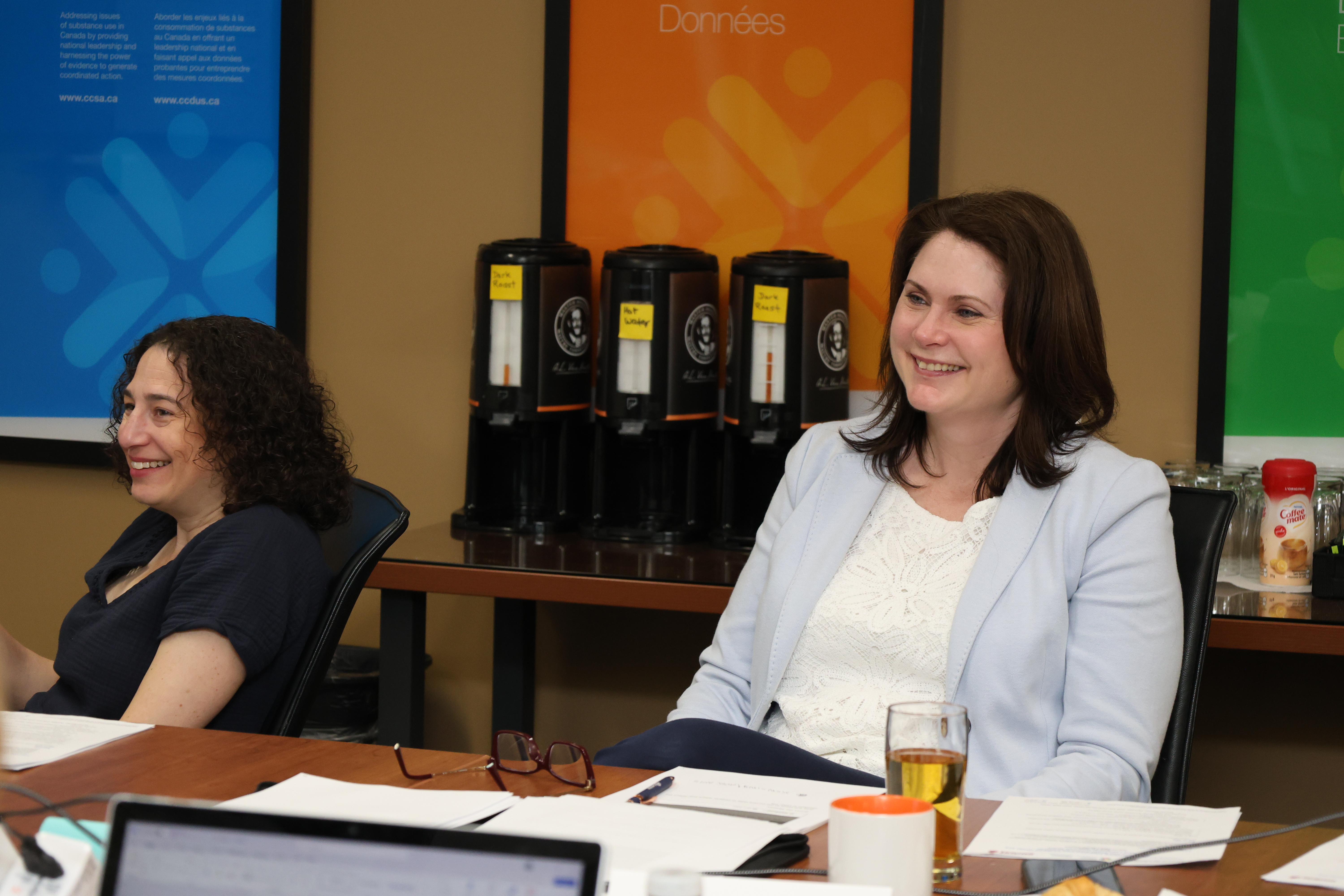
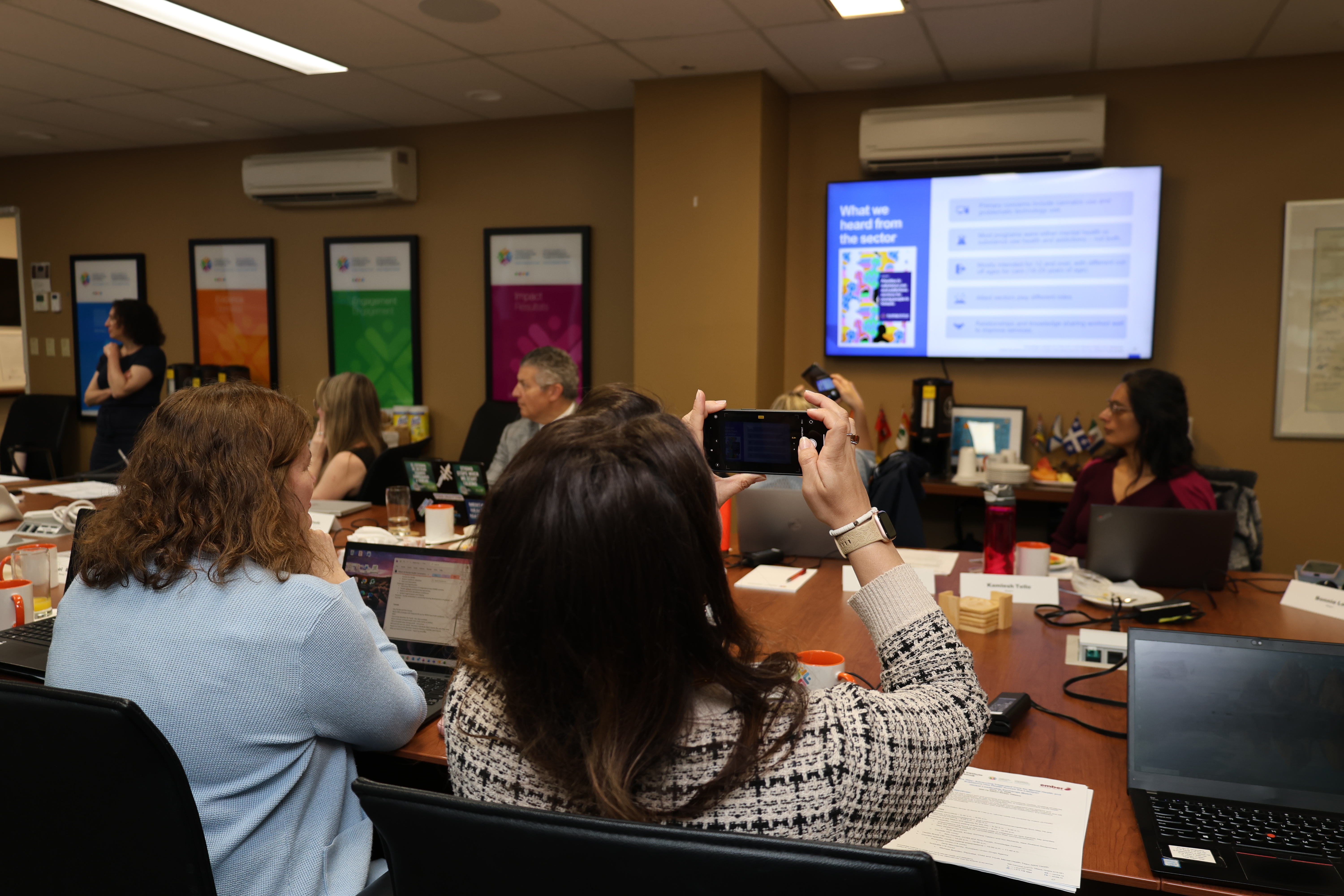
Ideas are shared. Notebooks get filled with reflections and occasional scribbles. Someone reaches for their phone to capture a slide before it disappears from the screen. And every so often, a conversation makes you look up because you've just realized someone on the other side of the world is describing a challenge that sounds remarkably familiar.
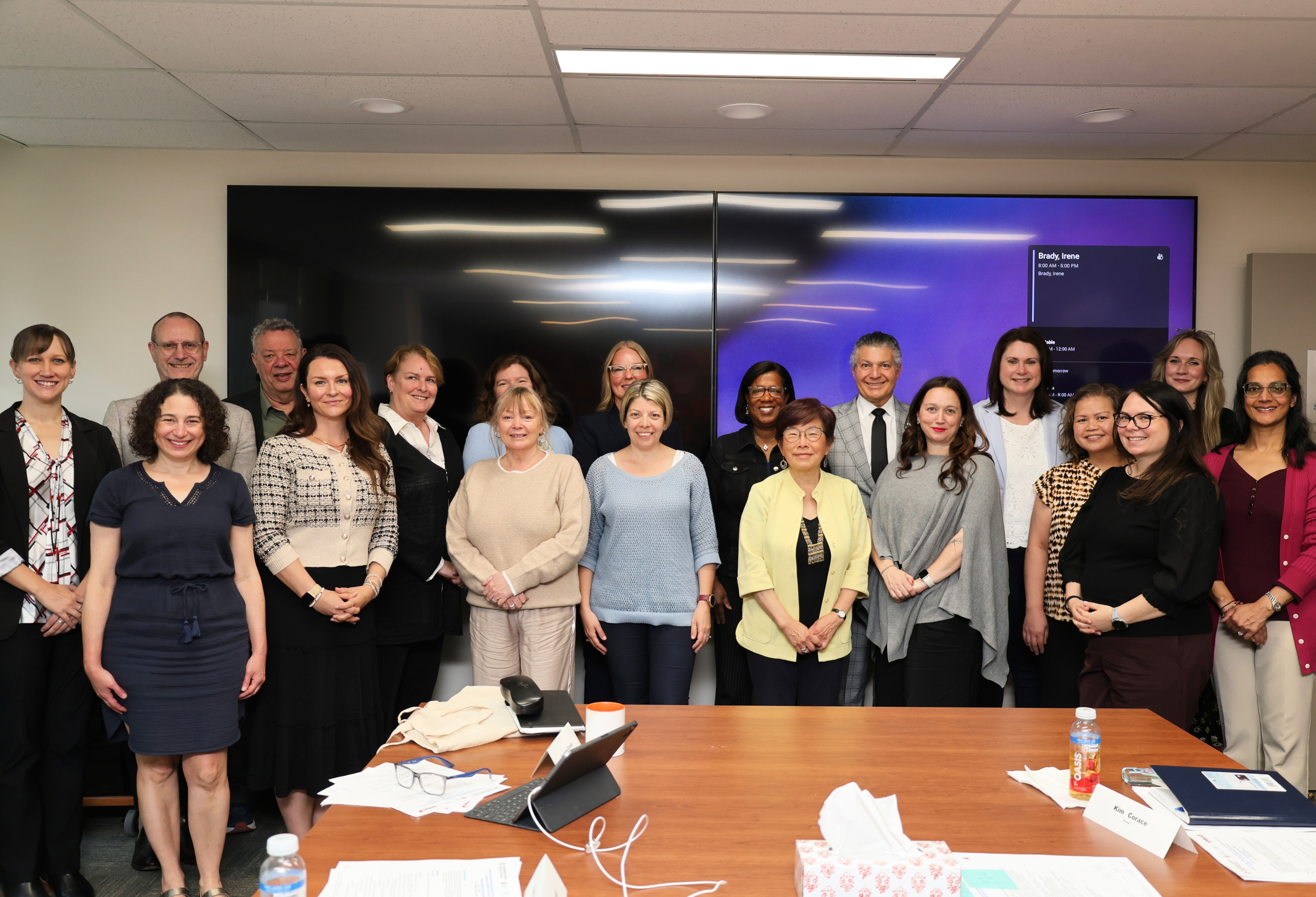
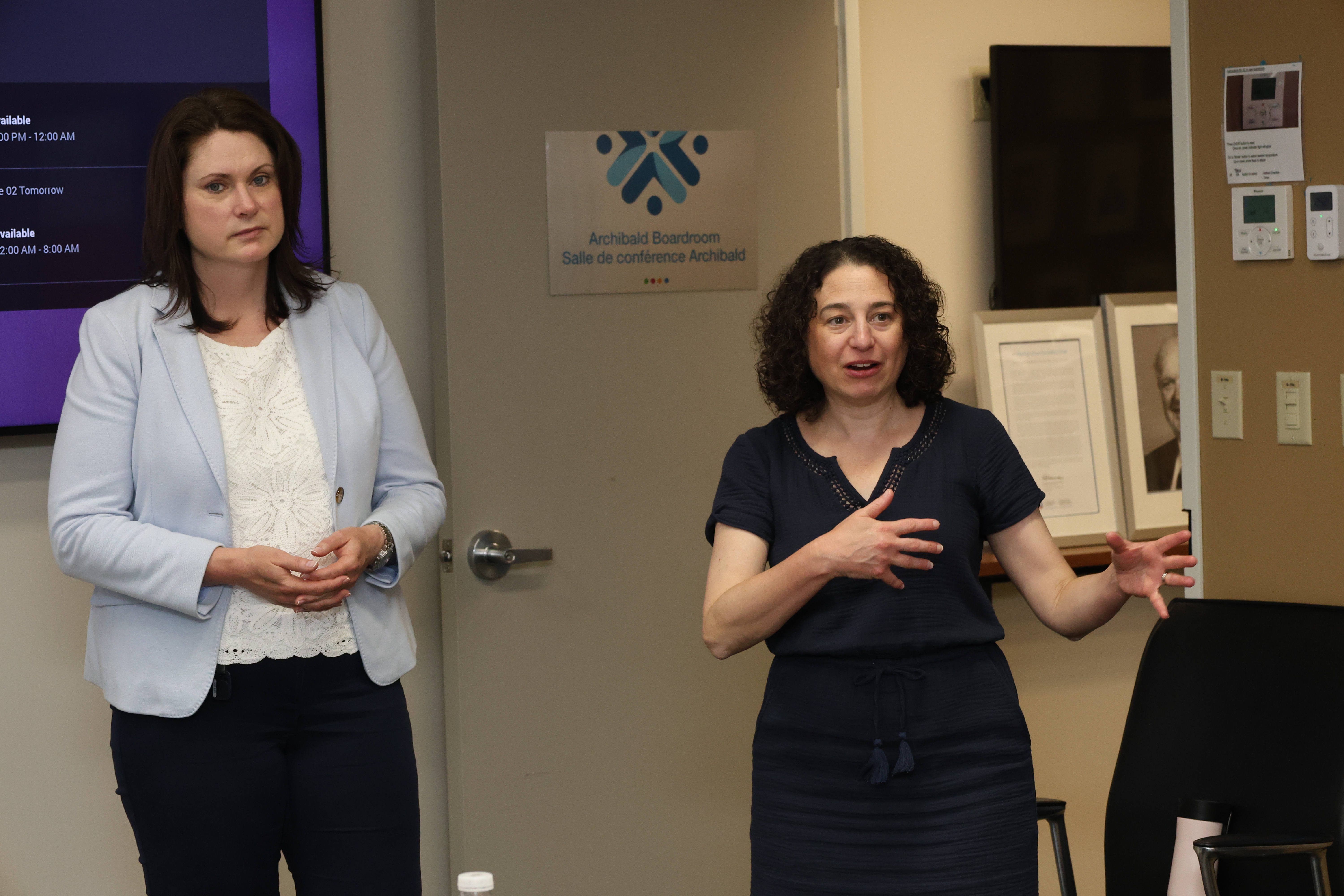
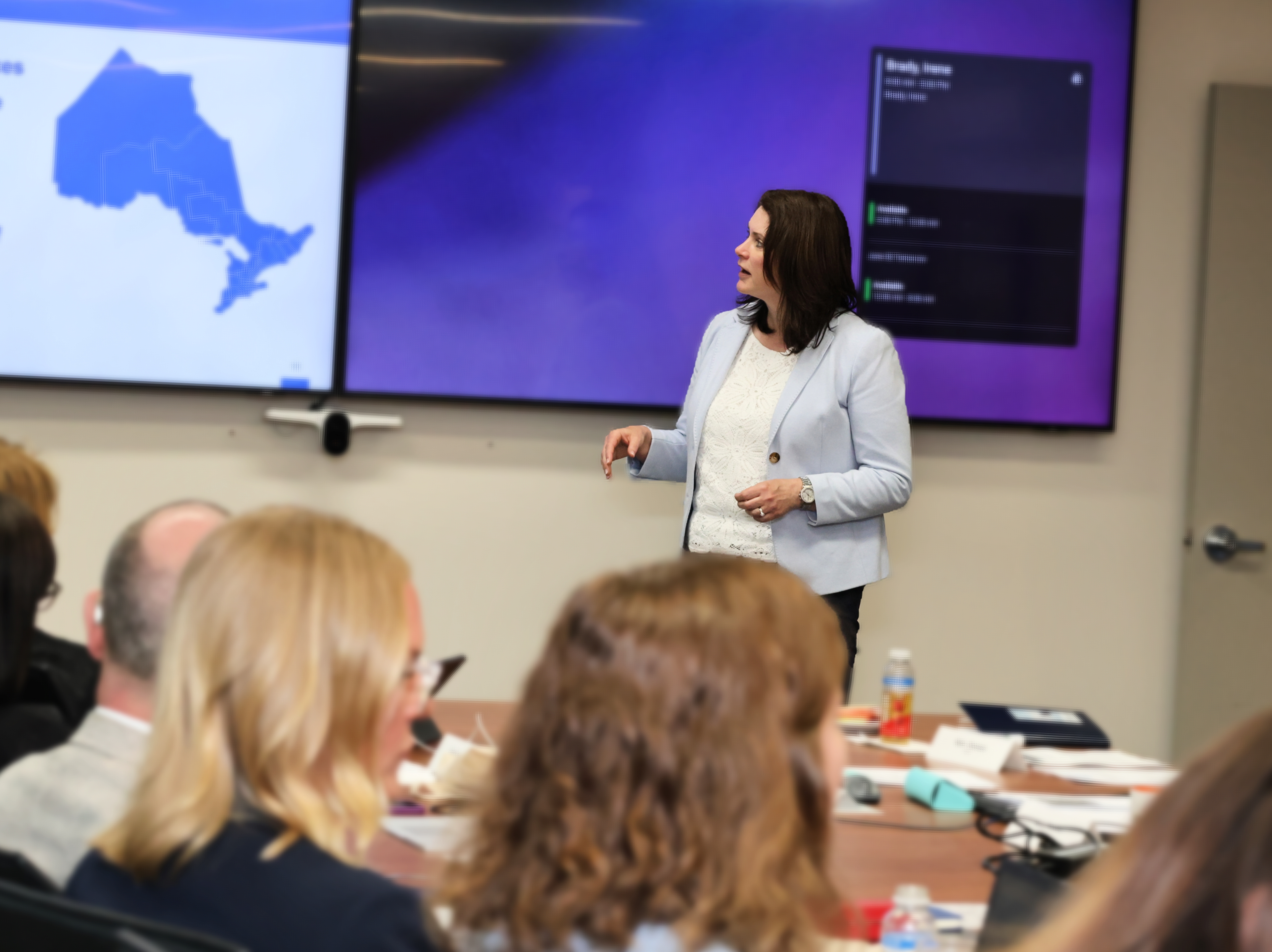
That happened more than once during Leading the way: Advancing integrated care for mental health and substance use health across the lifespan, a Global Leadership Exchange* Match co-hosted by the Knowledge Institute, the Canadian Centre on Substance Use and Addiction and Ember Korowai Takitini.
Before we officially began, our colleague Ruth Borrett from Ember Korowai Takitini introduced Whakawhanaungatanga — a Māori principle centred on building relationships before beginning the work.
We didn't start with presentations. We started with people.
We shared who we are, what we do, and what brought us to this work in the first place.
One of the first things I noticed was how quickly everyone got comfortable. People were laughing, sharing stories, and joking that some of us had been doing this work since kindergarten.
I was in awe of the depth of expertise in the room. Everyone arrived with humility and a genuine curiosity to learn. That openness shaped everything that followed.
— Amy Porath, Director of Research and Knowledge Mobilization at the Knowledge Institute
Over the next two days, we travelled the world without ever leaving Ottawa.
Our colleagues from New Zealand, Australia, the European Union, the United States, and across Canada shared a glimpse into the landscape of mental health and substance use health care where they live and work.
The systems might look different on paper, but when you strip away the layers, you realize that everyone is searching for the same missing puzzle pieces:
- How do we make it easier for people to get the care they need?
- How do we connect services instead of separating them?
- How do we build a system that ensures people don’t fall through the cracks?
As I listened to presentations and discussions, I was struck by how similar the challenges are across countries and systems. Whether we’re talking about fragmentation, siloed approaches to care, workforce pressures, or funding streams, many of the same barriers kept surfacing.
That shared reality reinforced the value of bringing leaders together to exchange ideas, learn from one another, and collectively advance more integrated approaches to care.
— Dr. Kim Corace, Chief Science and Innovation Officer at the Canadian Centre on Substance Use and Addiction
On our second day together, we visited The Ottawa Hospital's Mental Health and Substance Use Health Care Program.
After spending many hours talking about integrated care, we had the opportunity to see it on the ground. To hear about the relationships behind it, the coordination it requires, and the day-to-day work that makes it all possible.
In many ways, it brought us back to where we started. With people.
When it was time to head home, we felt energized by the leadership, generosity, and commitment of everyone around the table. We made new friends, built new partnerships, and found even more reasons to keep learning from each other.
Because no matter where we come from, meaningful change is built together.
— Drs Amy Porath and Kim Corace
* The Global Leadership Exchange connects leaders in mental health, disability, and substance use health and addictions. It creates space to share ideas, knowledge, and best practice to help spread innovation and change lives.